

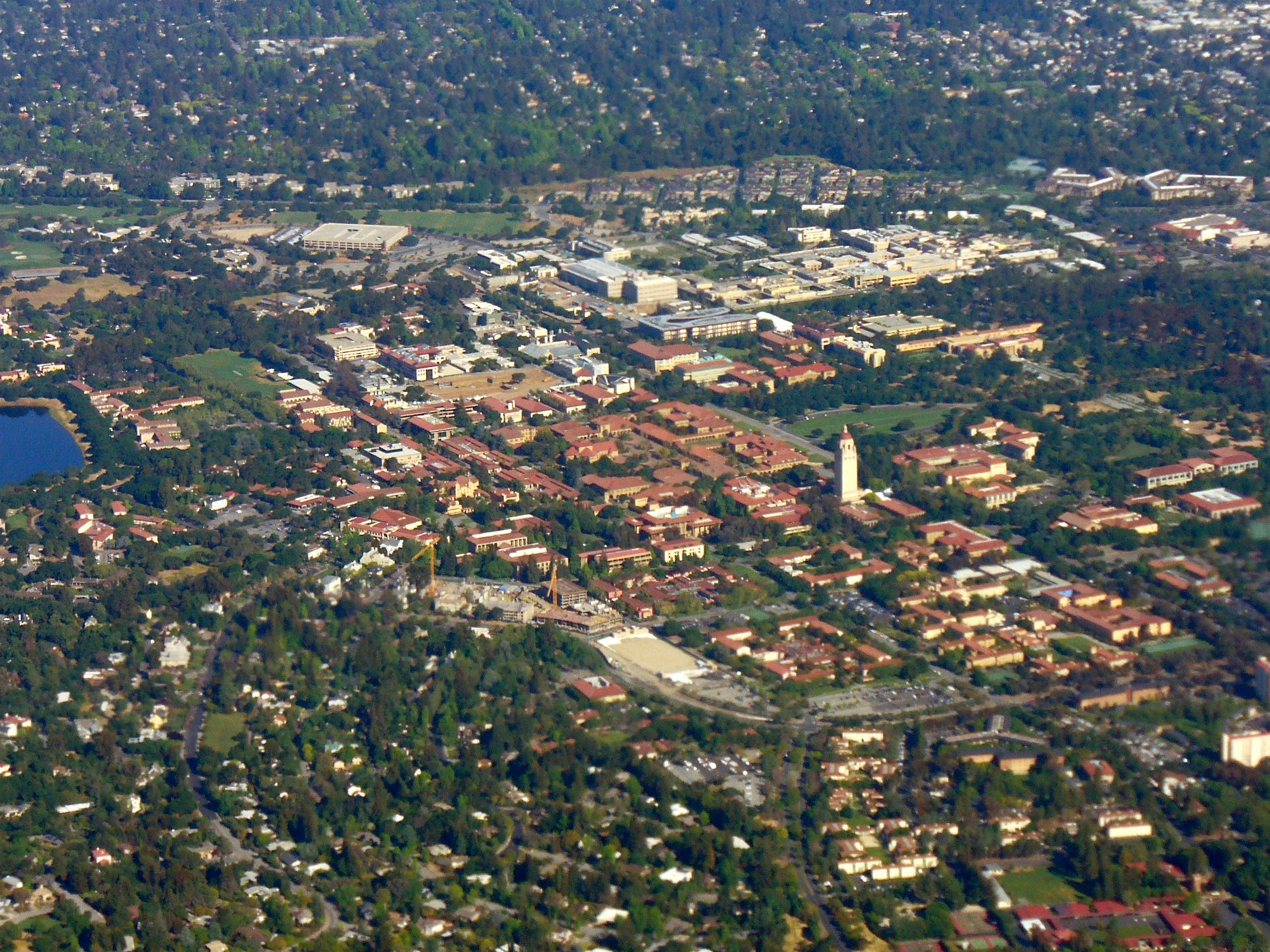
Strange things are happening at Stanford University. MTL, R&DE, OAE—each acronym brings to mind another recent scandal. And then there’s AI, which is solving problem sets, summarizing readings, and (for those few remaining humanities students) writing essays, while faculty do their best to respond. Executives at the Dixon Ticonderoga Company could have sworn their blue book business was all but dead; they were wrong. As for religious life on campus, some students worship the prophets of Silicon Valley, while others pray facing Capitol Hill. The lake is dry.
You can read about all this in the Stanford Daily and the Stanford Review, the two student publications that are read by the ever-shrinking share of students who still know how to read. For 134 years, the Daily has churned out reliable coverage of campus life. When one wants to know what’s happening at Stanford, one reads the Daily. The Review, going on forty years old, is the Daily’s younger brother—and like any good younger sibling, as the Daily went left, the Review went right. When one wants to know what the campus right has to say, one reads the Review. We would be lost without either of them.
Yet there is a third perspective, one that fits neatly neither in the opinion section of the Daily nor in the pages of the Review. The Stanford Independent is our attempt to open a window onto this third view. Our hope is that by turning a critical eye toward life at Stanford, we might begin to make sense of an experience that often feels beyond comprehension. We therefore dedicate the Independent to those at Stanford who are not wholly fixated on changing the world and see the value in first attempting to understand it.
Published in the print edition of the November 19, 2026, issue, with the headline “Why the Stanford Independent?”